
PAUL STORR - FROM THE COLLECTION OF THE 2ND BARON SHERBORNE. An exceptional pair of large George III serving dishes, in sizes, one with a mazarin. Made in london in 1820 by Paul Storr.
PAUL STORR - FROM THE COLLECTION OF THE 2ND BARON SHERBORNE. An exceptional pair of large George III serving dishes, in sizes, one with a mazarin. Made in london in 1820 by Paul Storr.
375610
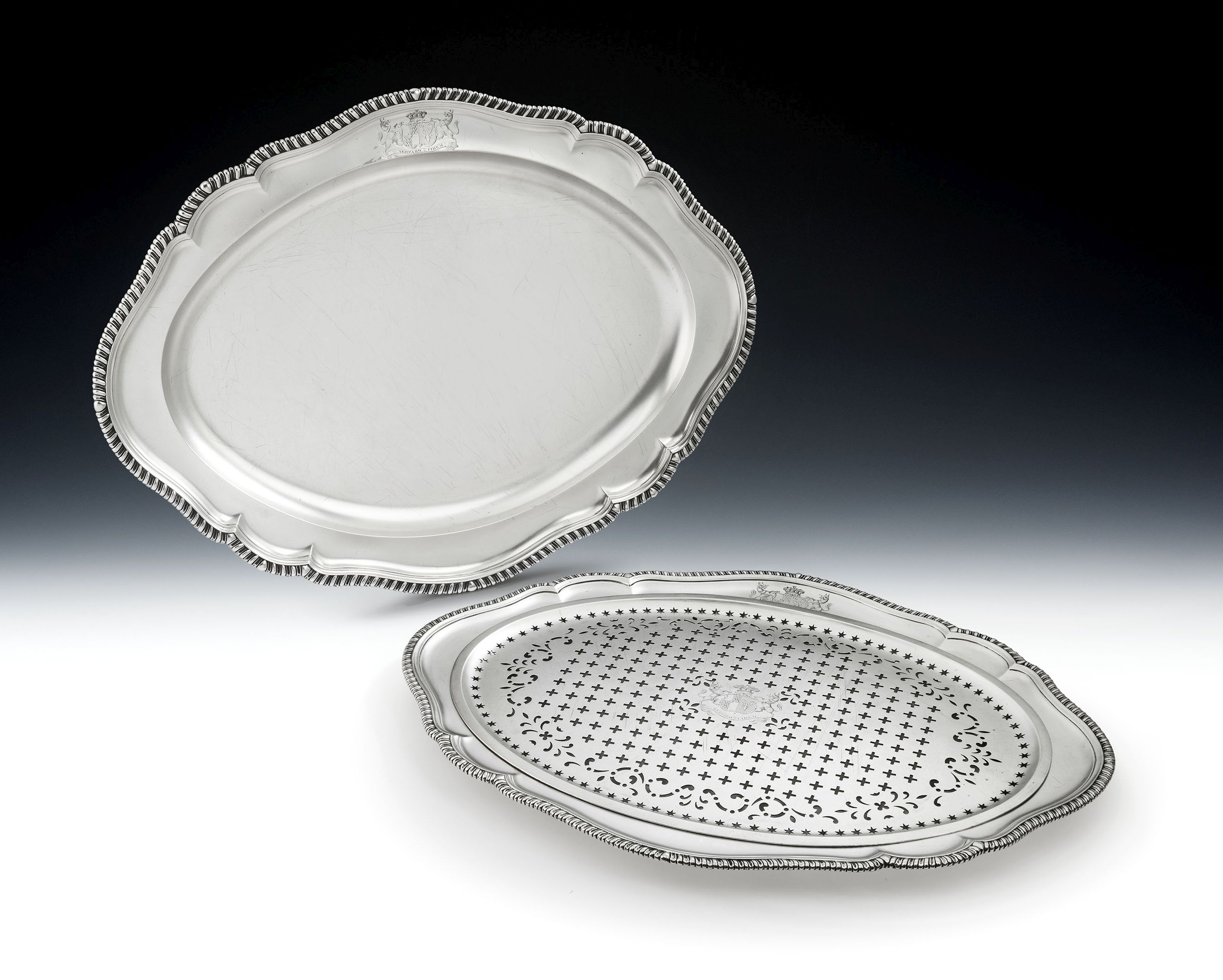
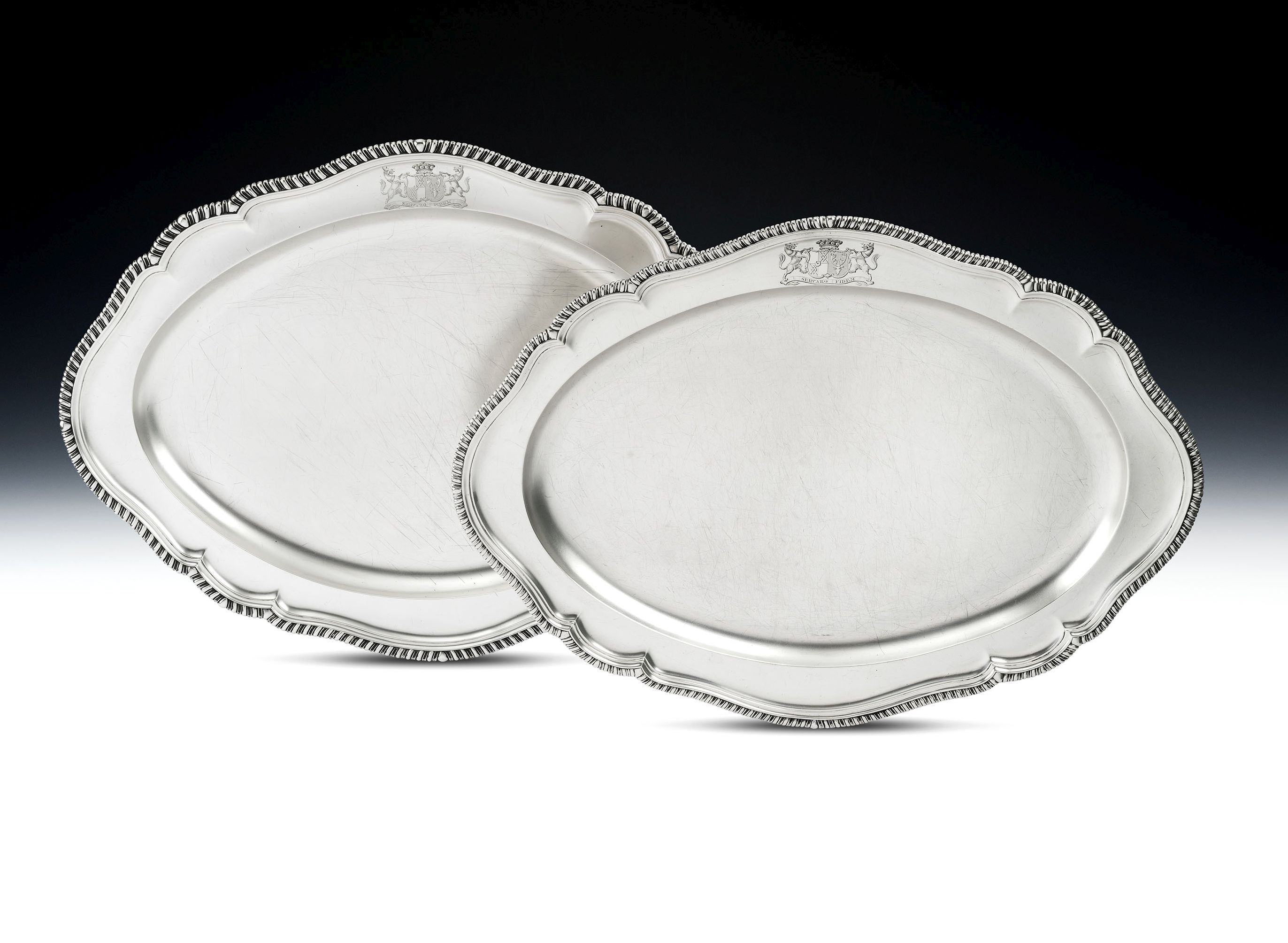
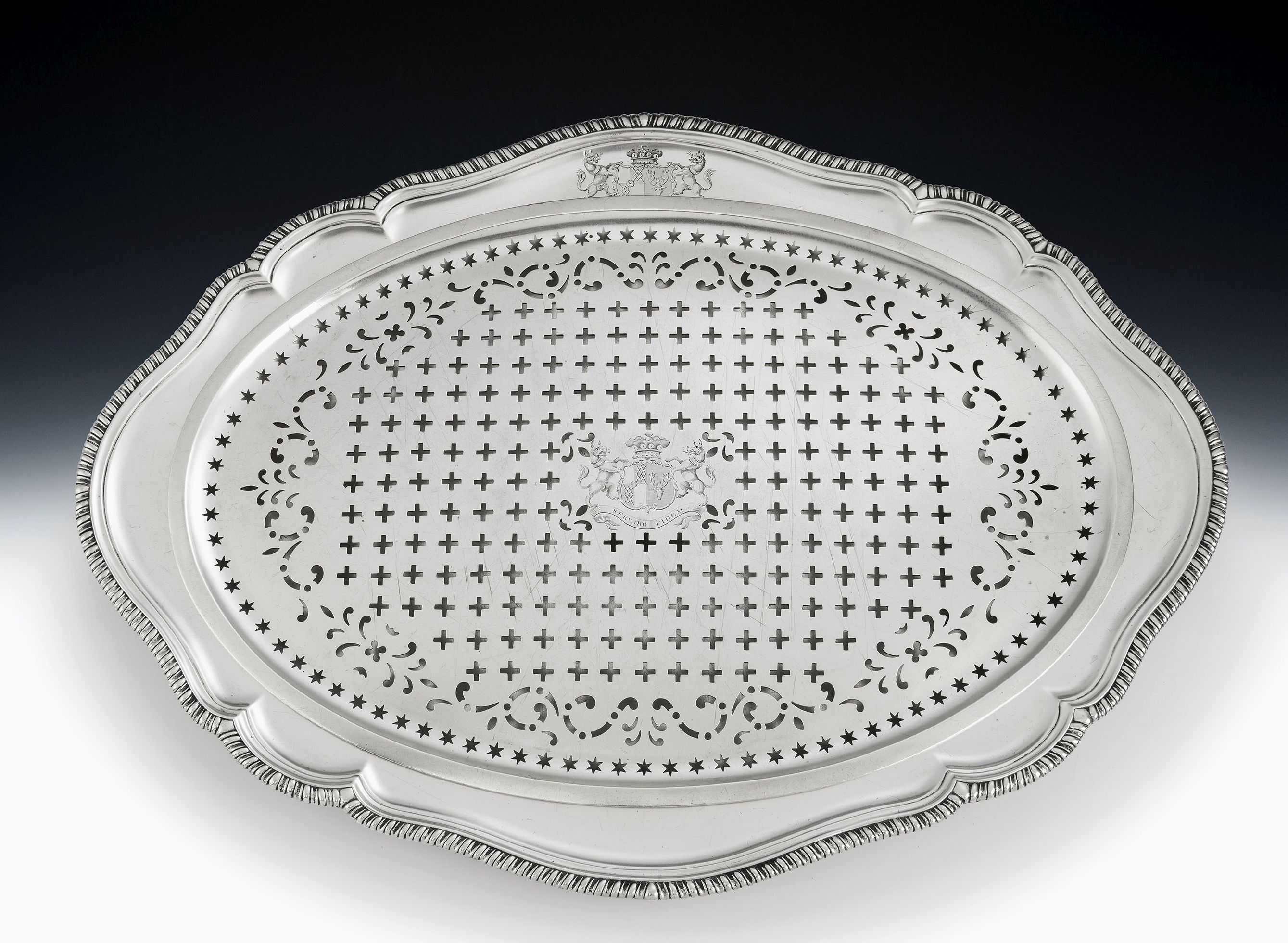
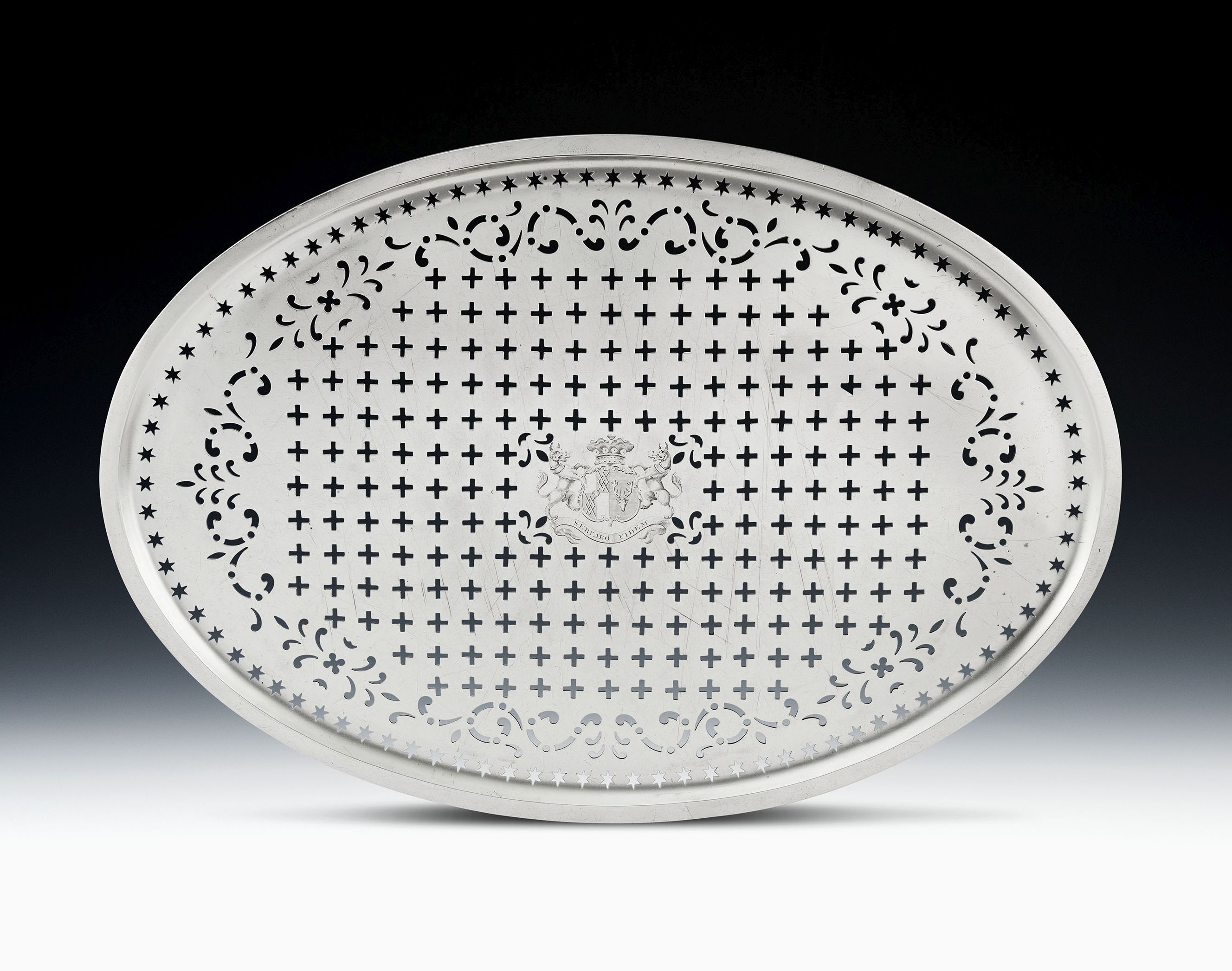
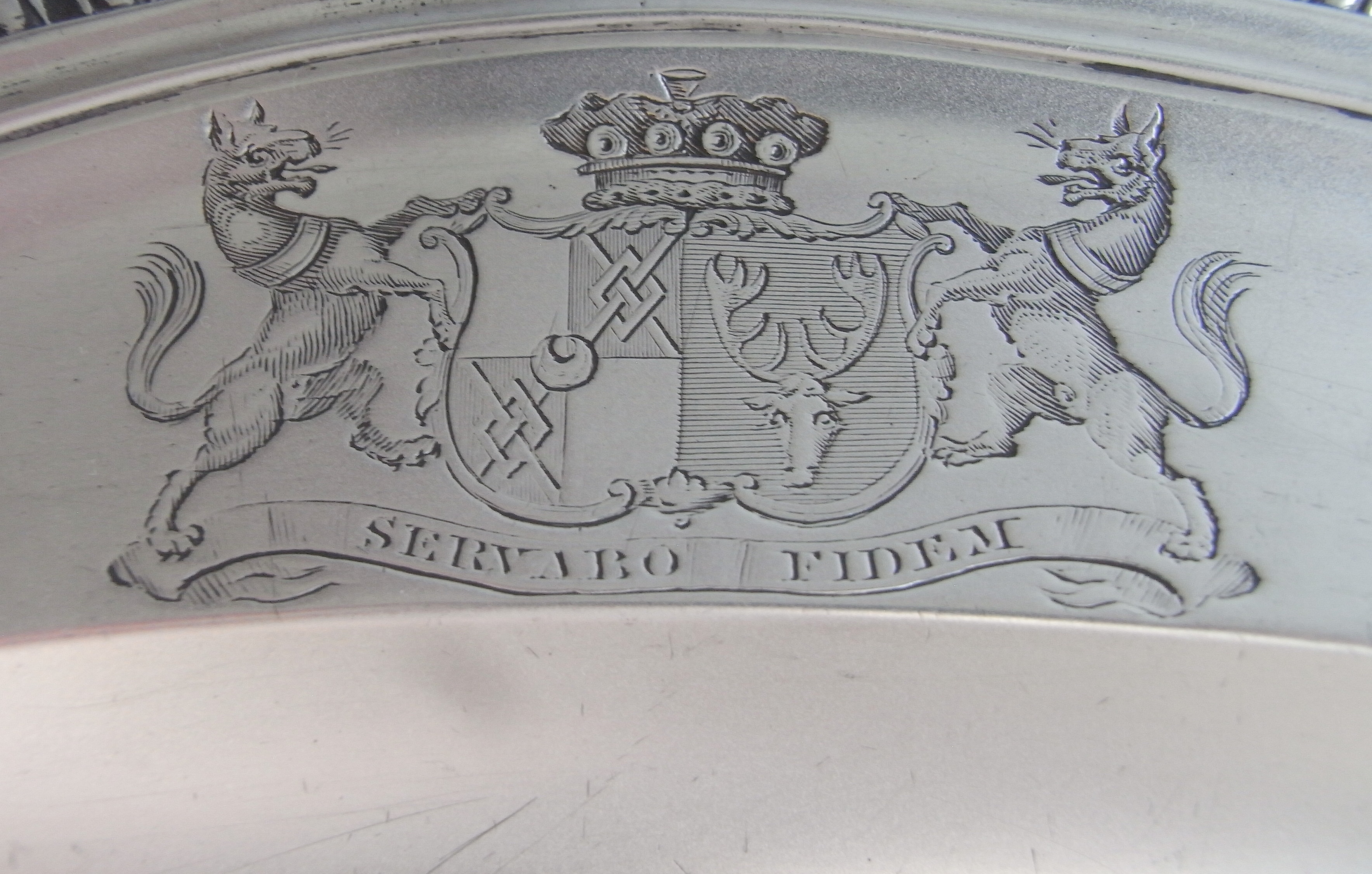
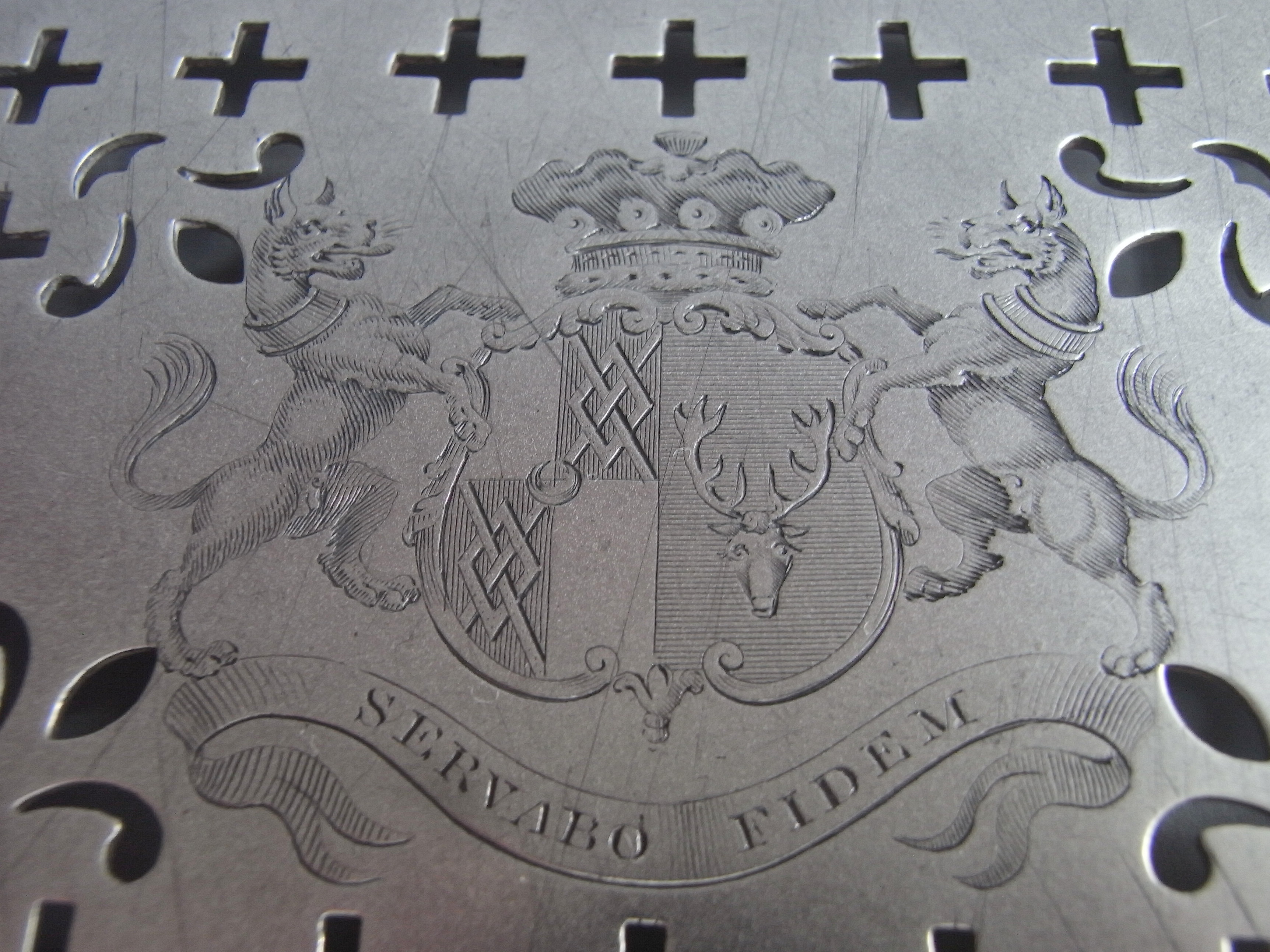
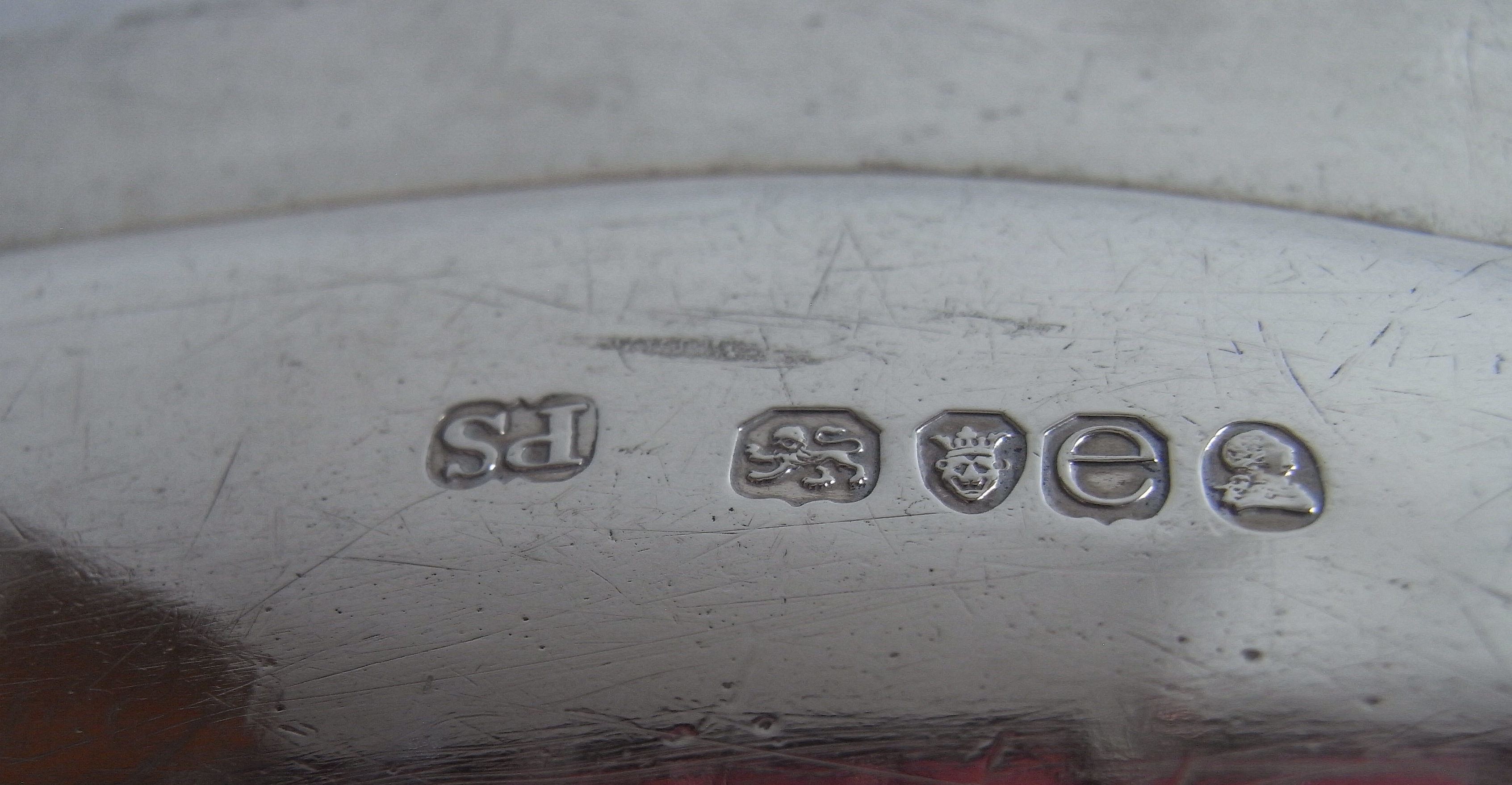
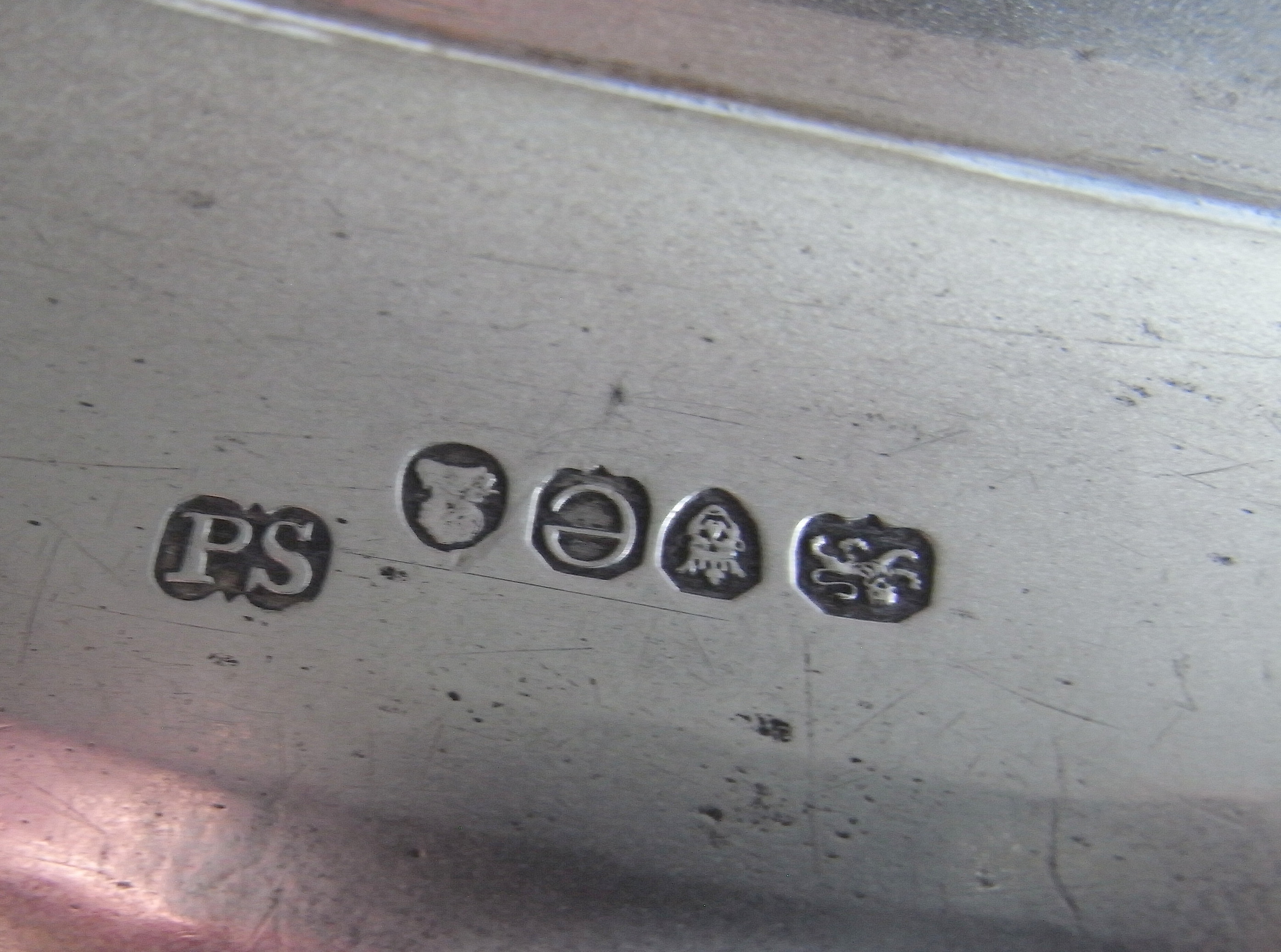
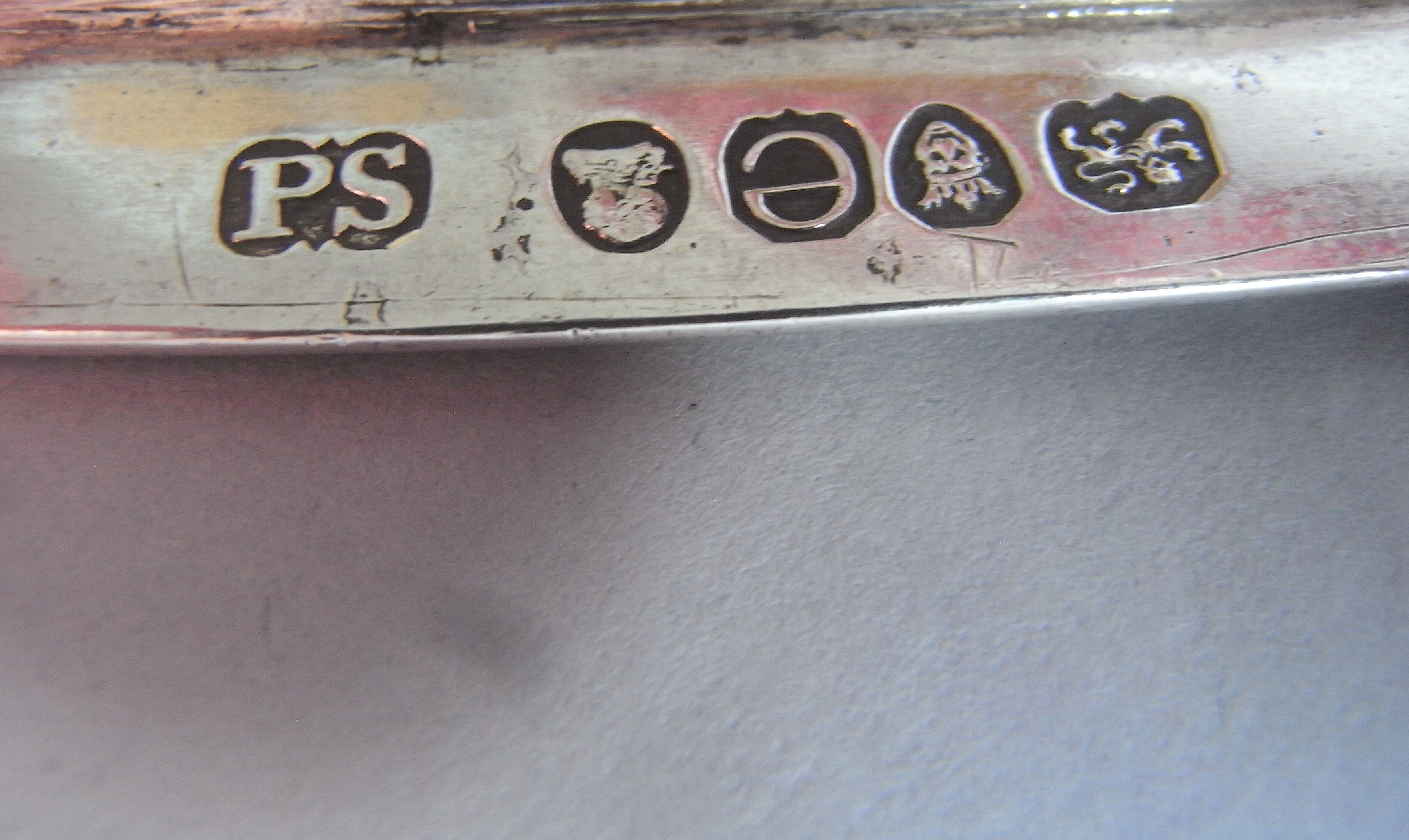
The Dishes are modelled in a shaped oval form with a raised border decorated with bold gadrooning. Each border is engraved with a contemporary Armorial, with Motto engraved on a banner below and the Coronet of a Baron above. This is all flanked by a supporter on each side. The Mazarin is oval in form and is pierced with crosses, scrolls and stars, as well as being engraved with the same Armorial as seen on the dishes. The mazarin was used on the meat dish to allow the juices to flow through, however very few were made and examples with their original dish are scarce. All three pieces are in most excellent condition and are very well marked. Their weight is truly outstanding.
Length of Dishes : 23 inches ( 57.5 cm) & 22 inches ( 55 cm ) respectively.
Width of Dishes: 17 inches, ( 42.5 cm ) & 16 inches (40 cm ) respectaively.
Length of Mazarin: 18.5 inches, 46.25 cm.
Width of Mazarin: 12.75 inches, 31.88 cm.
Total Weight: 228 oz.
PROVENANCE:
- Made in 1820 for John Dutton, 2nd Baron Sherborne (1779-1861) of Sherborne Park, Gloucestershire.
- Thence by Descent until 2025.
JOHN DUTTON - 2nd BARON SHERBORNE.
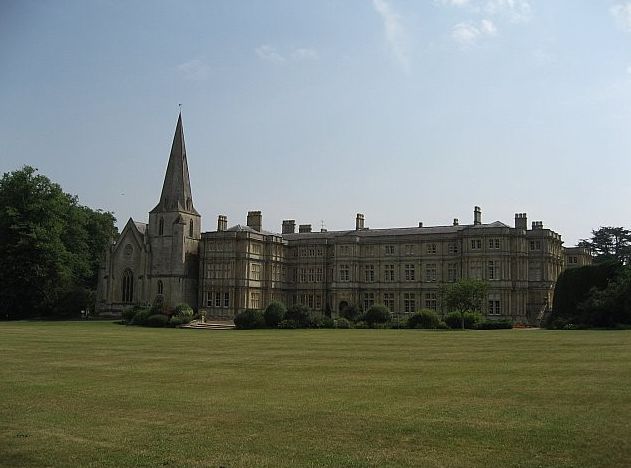
The 2nd Baron Sherborne, the son of James Dutton, 1st Baron Sherborne (1744-1820) and his wife Elizabeth Coke, daughter of Wenman Coke of Holkham, Norfolk, played a significant role in the architectural development of Sherborne House. Park. His marriage to Mary Legge in 1803 later brought a considerable inheritance on the death of her father Henry Bilson-Legge, 2nd Baron Stawell of Somerton in 1820. Lord Stawell’s father had been Lord Chancellor and a younger son of the Earl of Dartmouth.
It can be no coincidence that Lord Sherborne started to correspond with various architects around 1820, looking to complete his father’s intention of rebuilding the family seat. Sir Robert Smirke (1780-1867) was involved briefly, but it was not until the late 1820s that work started under the architect Lewis Wyatt (1777-1853), son of Benjamin Wyatt. Wyatt was noticeably absent for much of the time and numerous problems later emerged include dry rot in a number of the ground floor room. Remedial work was carried out by Anthony Salvin (1799-1881), who designed many of the ornate ceilings. The firm of Morant and Son finished in the interiors with work commencing in 1838.
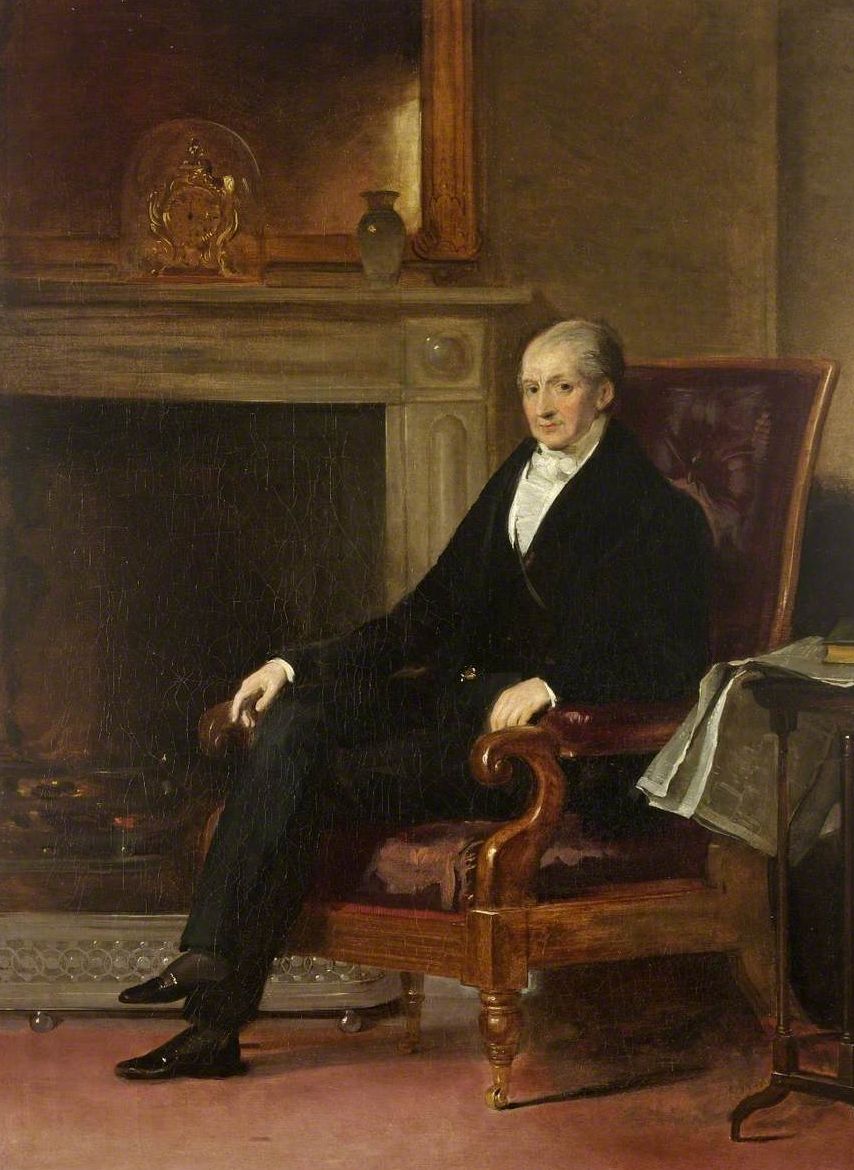
Lord Sherborne enlarged and aggrandised his grandfather’s silver dinner service, using the services of Paul Storr to create dish covers and more utilitarian pieces for dining. A painting of the 2nd Baron is attached painted in 1841 by William Grove.
THE MAKER - PAUL STORR
Paul Storr was England's most celebrated silversmith during the first half of the nineteenth century and his legacy lives on today. His pieces historically and currently adorn royal palaces and the finest stately homes throughout Europe and the world. Storr's reputation rests on his mastery of the grandiose neo-Classical style developed in the Regency period. He quickly became the most prominent silversmith of the nineteenth century, producing much of the silver purchased by King George III and King George IV. Storr entered his first mark in the first part of 1792, which reflects his short-lived partnership with William Frisbee. Soon after, he began to use his PS mark, which he maintained throughout his career with only minor changes. His first major work was a gold font commissioned by the Duke of Portland in 1797 and in 1799 he created the "Battle of the Nile Cup" for presentation to Lord Nelson.
Much of Storr's success was due to the influence of Philip Rundell, of the popular silver retailing firm, Rundell, Bridge and Rundell. Rundell's firm nearly monopolised the early nineteenth-century market for superior silver and obtained the Royal Warrant in 1806. This shrewd businessman realised the talent of Paul Storr and began pursuing him in 1803, however it was not until 1807 that Storr finally joined the firm.[4] After many years of working for Rundell, Storr realised he had lost much of his artistic freedom and by 1819 he left the firm to open his own shop, turning his attentions towards more naturalistic designs and soon began enjoying the patronage he desired. After only a few years of independence, Storr realised he needed a centralised retail location and partnered with John Mortimer, founding Storr and Mortimer in 1822 on New Bond Street.
RELATED ITEMS






 & 22 inches ( 55 cm ) respectively.Width of Dishes: 17 inches, ( 42.5 cm ) & 16 inches (40 cm ) respectaively.Length of Mazarin: 18.5 inches, 46.25 cm.Width of Mazarin: 12.75 inches, 31.88 cm.Total Weight: 228 oz.PROVENANCE: - Made in 1820 for John Dutton, 2nd Baron Sherborne (1779-1861) of Sherborne Park, Gloucestershire.- Thence by Descent until 2025.JOHN DUTTON - 2nd BARON SHERBORNE.The 2nd Baron Sherborne, the son of James Dutton, 1st Baron Sherborne (1744-1820) and his wife Elizabeth Coke, daughter of Wenman Coke of Holkham, Norfolk, played a significant role in the architectural development of Sherborne House. Park. His marriage to Mary Legge in 1803 later brought a considerable inheritance on the death of her father Henry Bilson-Legge, 2nd Baron Stawell of Somerton in 1820. Lord Stawell’s father had been Lord Chancellor and a younger son of the Earl of Dartmouth.It can be no coincidence that Lord Sherborne started to correspond with various architects around 1820, looking to complete his father’s intention of rebuilding the family seat. Sir Robert Smirke (1780-1867) was involved briefly, but it was not until the late 1820s that work started under the architect Lewis Wyatt (1777-1853), son of Benjamin Wyatt. Wyatt was noticeably absent for much of the time and numerous problems later emerged include dry rot in a number of the ground floor room. Remedial work was carried out by Anthony Salvin (1799-1881), who designed many of the ornate ceilings. The firm of Morant and Son finished in the interiors with work commencing in 1838. Lord Sherborne enlarged and aggrandised his grandfather’s silver dinner service, using the services of Paul Storr to create dish covers and more utilitarian pieces for dining. A painting of the 2nd Baron is attached painted in 1841 by William Grove.THE MAKER - PAUL STORRPaul Storr was England's most celebrated silversmith during the first half of the nineteenth century and his legacy lives on today. His pieces historically and currently adorn royal palaces and the finest stately homes throughout Europe and the world. Storr's reputation rests on his mastery of the grandiose neo-Classical style developed in the Regency period. He quickly became the most prominent silversmith of the nineteenth century, producing much of the silver purchased by King George III and King George IV. Storr entered his first mark in the first part of 1792, which reflects his short-lived partnership with William Frisbee. Soon after, he began to use his PS mark, which he maintained throughout his career with only minor changes. His first major work was a gold font commissioned by the Duke of Portland in 1797 and in 1799 he created the "Battle of the Nile Cup" for presentation to Lord Nelson.Much of Storr's success was due to the influence of Philip Rundell, of the popular silver retailing firm, Rundell, Bridge and Rundell. Rundell's firm nearly monopolised the early nineteenth-century market for superior silver and obtained the Royal Warrant in 1806. This shrewd businessman realised the talent of Paul Storr and began pursuing him in 1803, however it was not until 1807 that Storr finally joined the firm.[4] After many years of working for Rundell, Storr realised he had lost much of his artistic freedom and by 1819 he left the firm to open his own shop, turning his attentions towards more naturalistic designs and soon began enjoying the patronage he desired. After only a few years of independence, Storr realised he needed a centralised retail location and partnered with John Mortimer, founding Storr and Mortimer in 1822 on New Bond Street. )