
An exceptional pair of George I Cast Candlesticks made in London in 1725 by William Lukin I
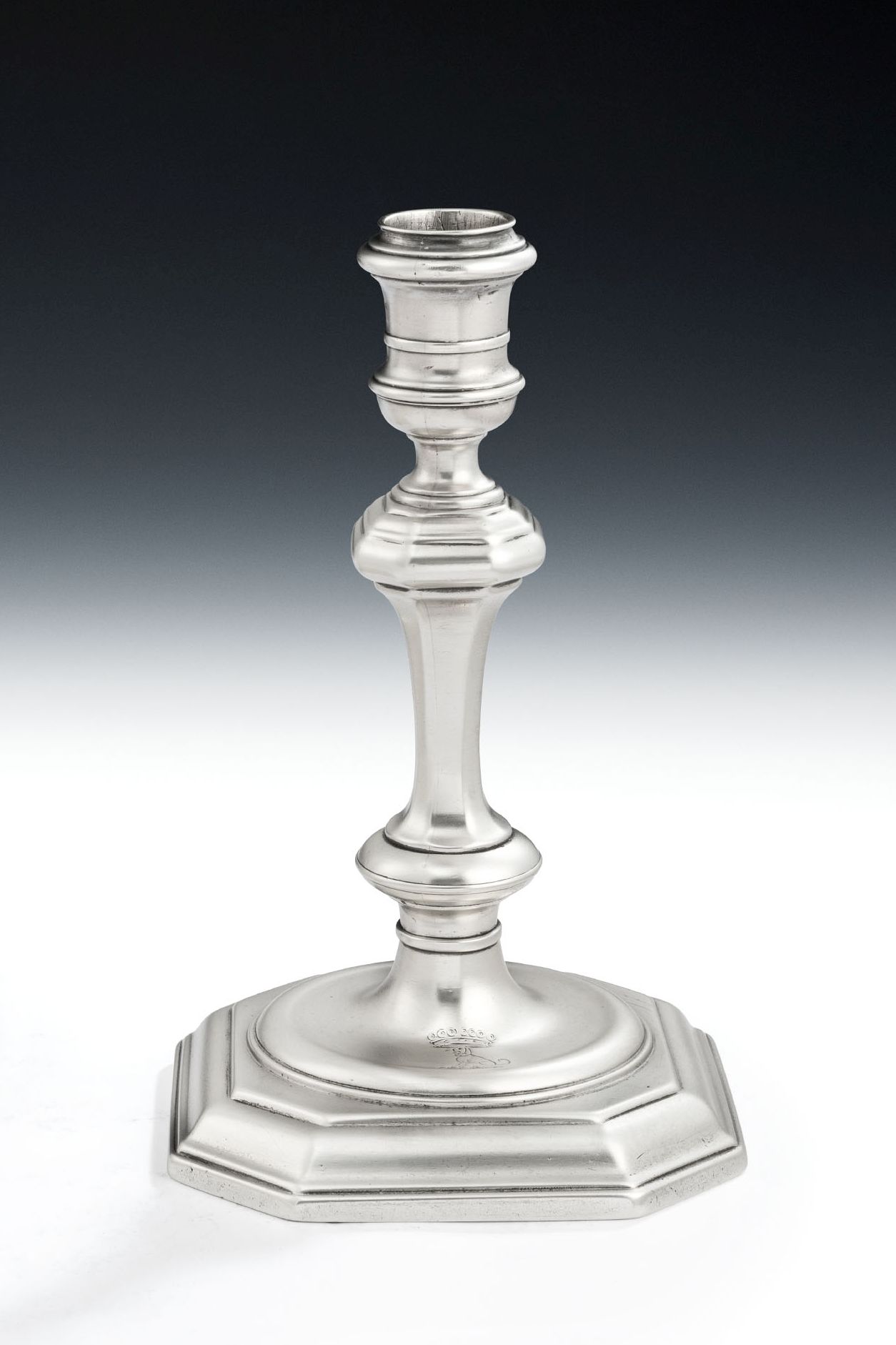
An exceptional pair of George I Cast Candlesticks made in London in 1725 by William Lukin I
375724
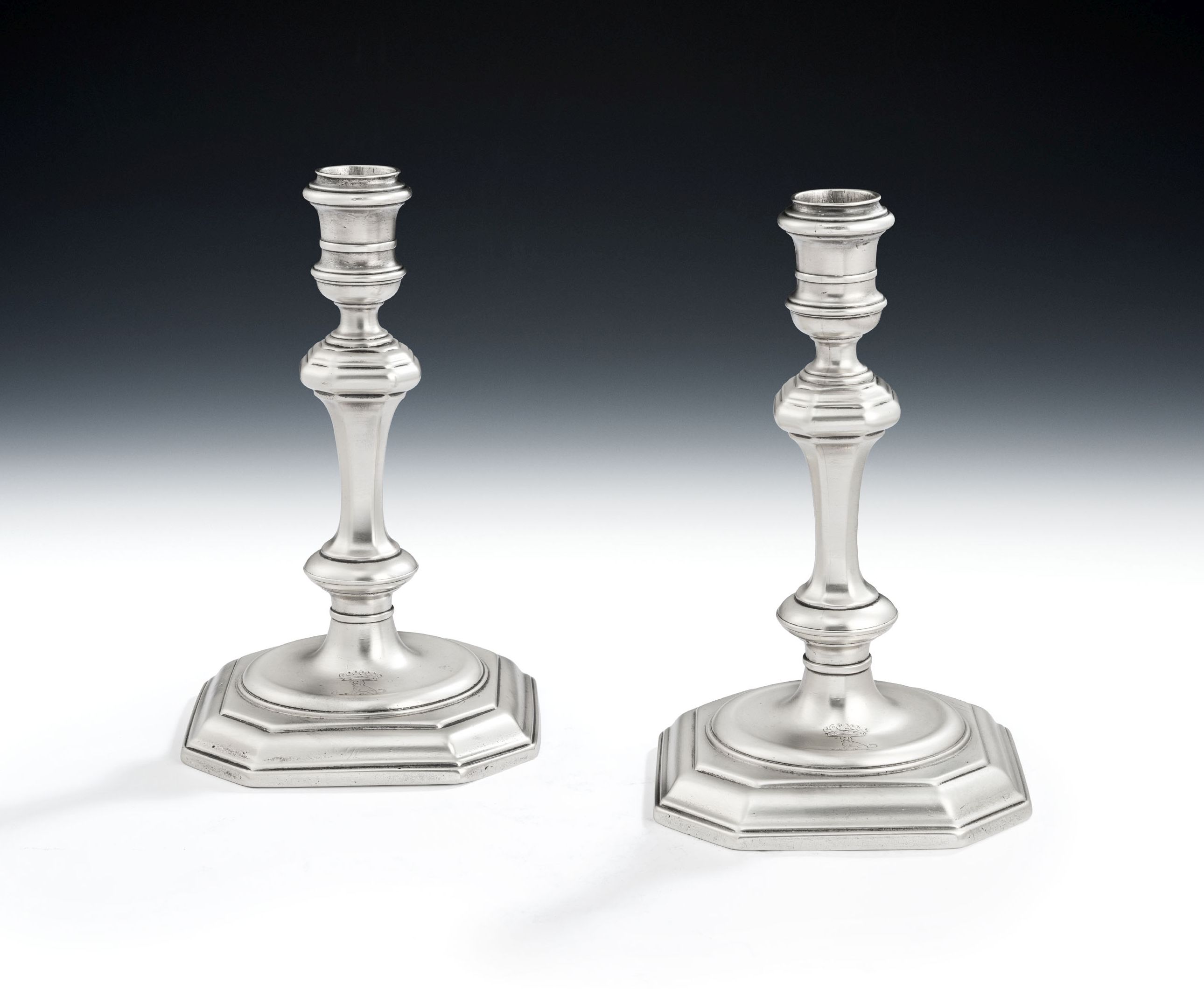
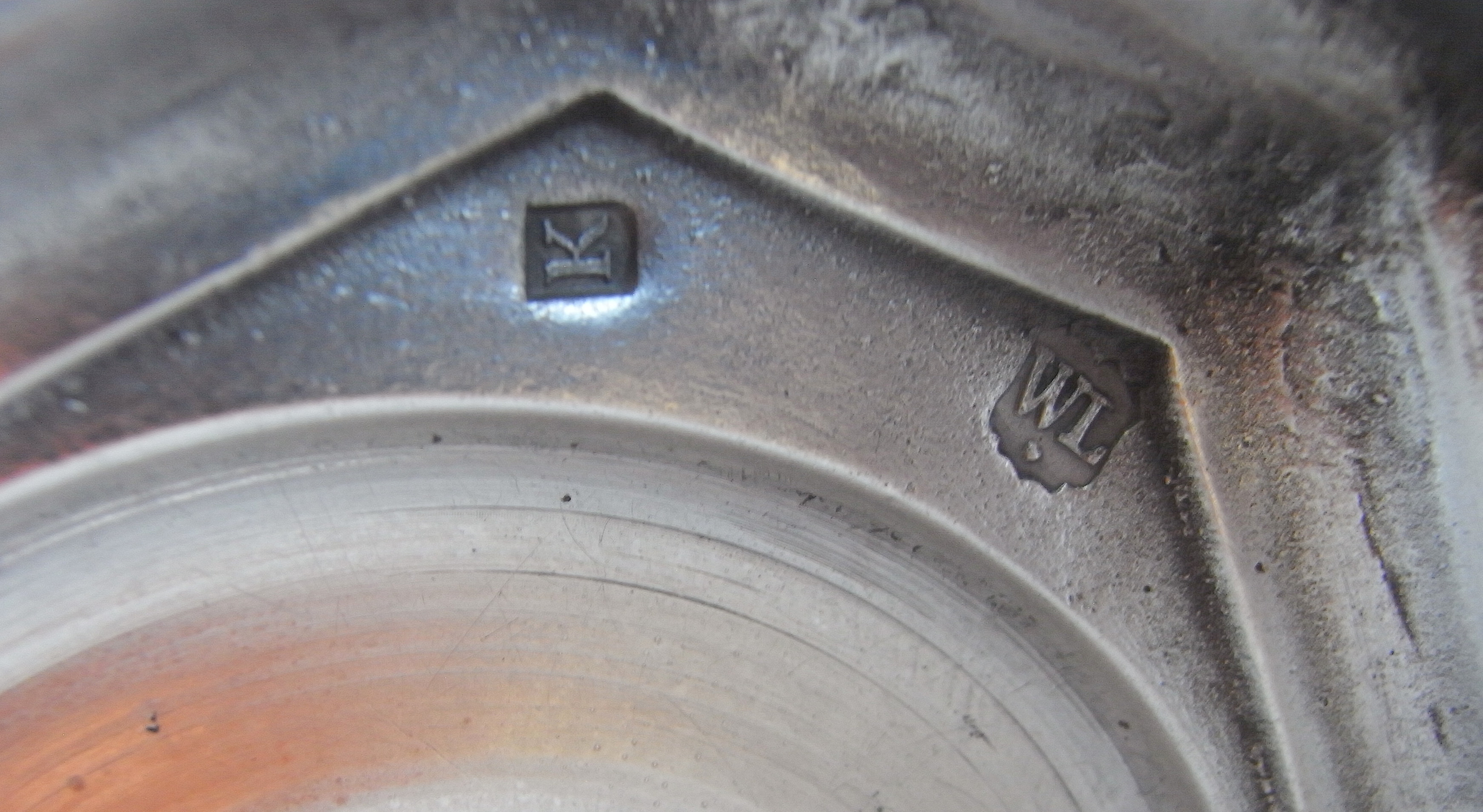
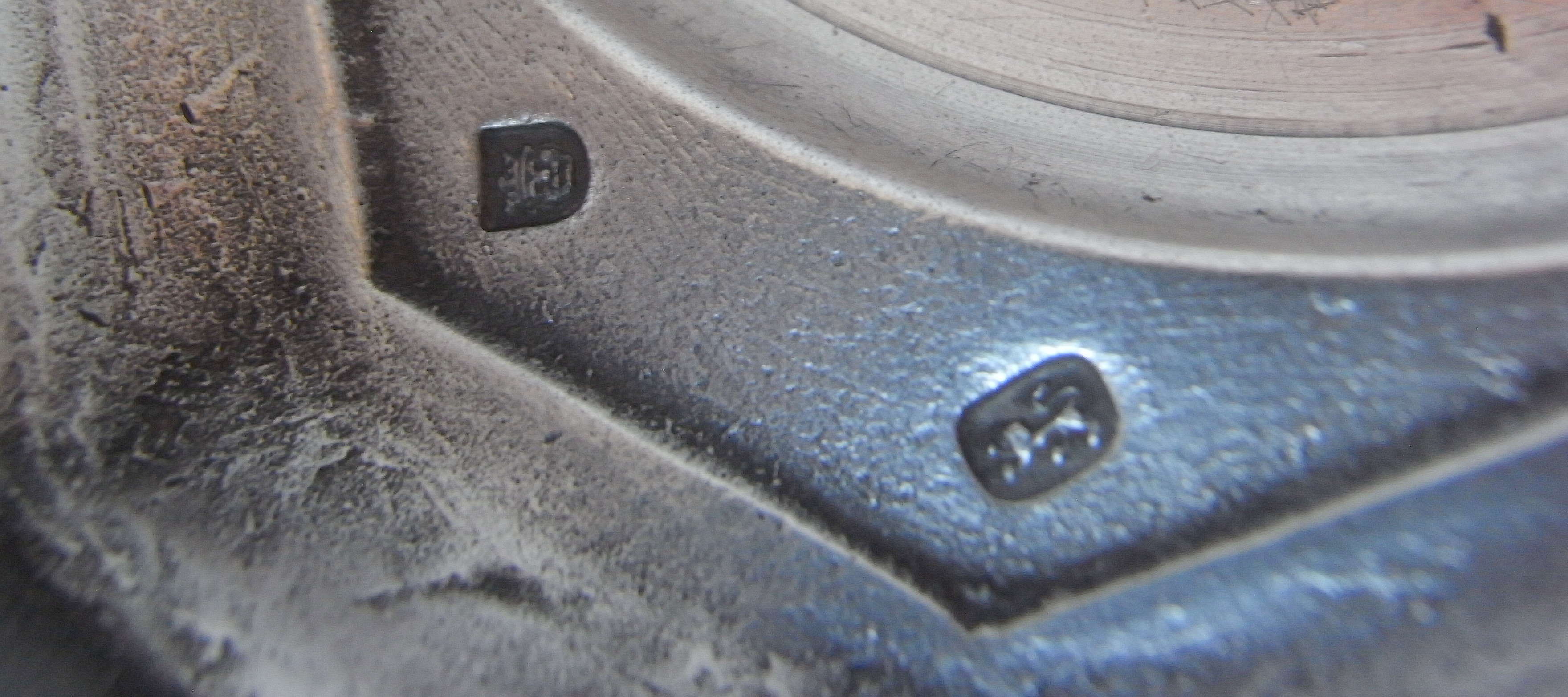
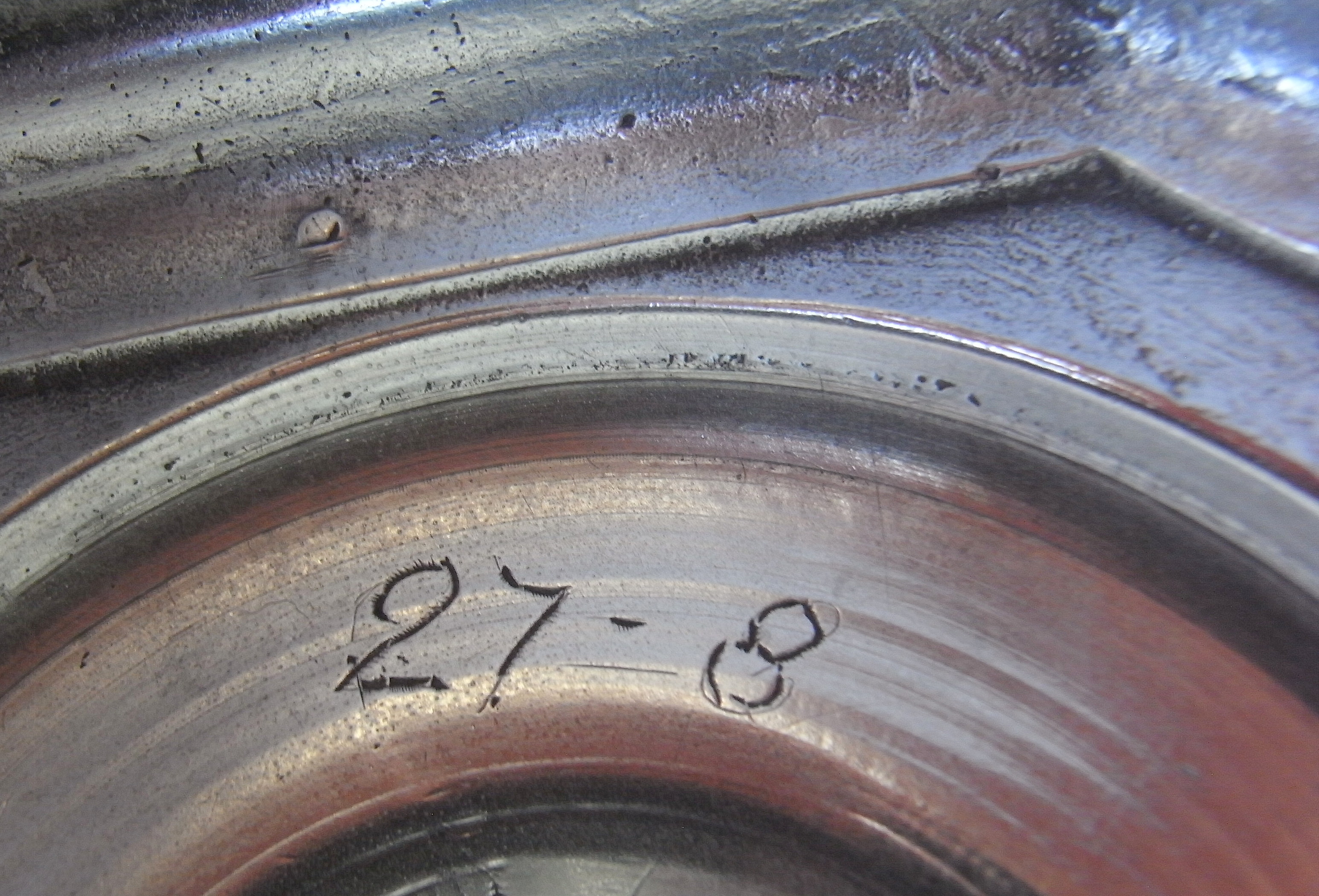
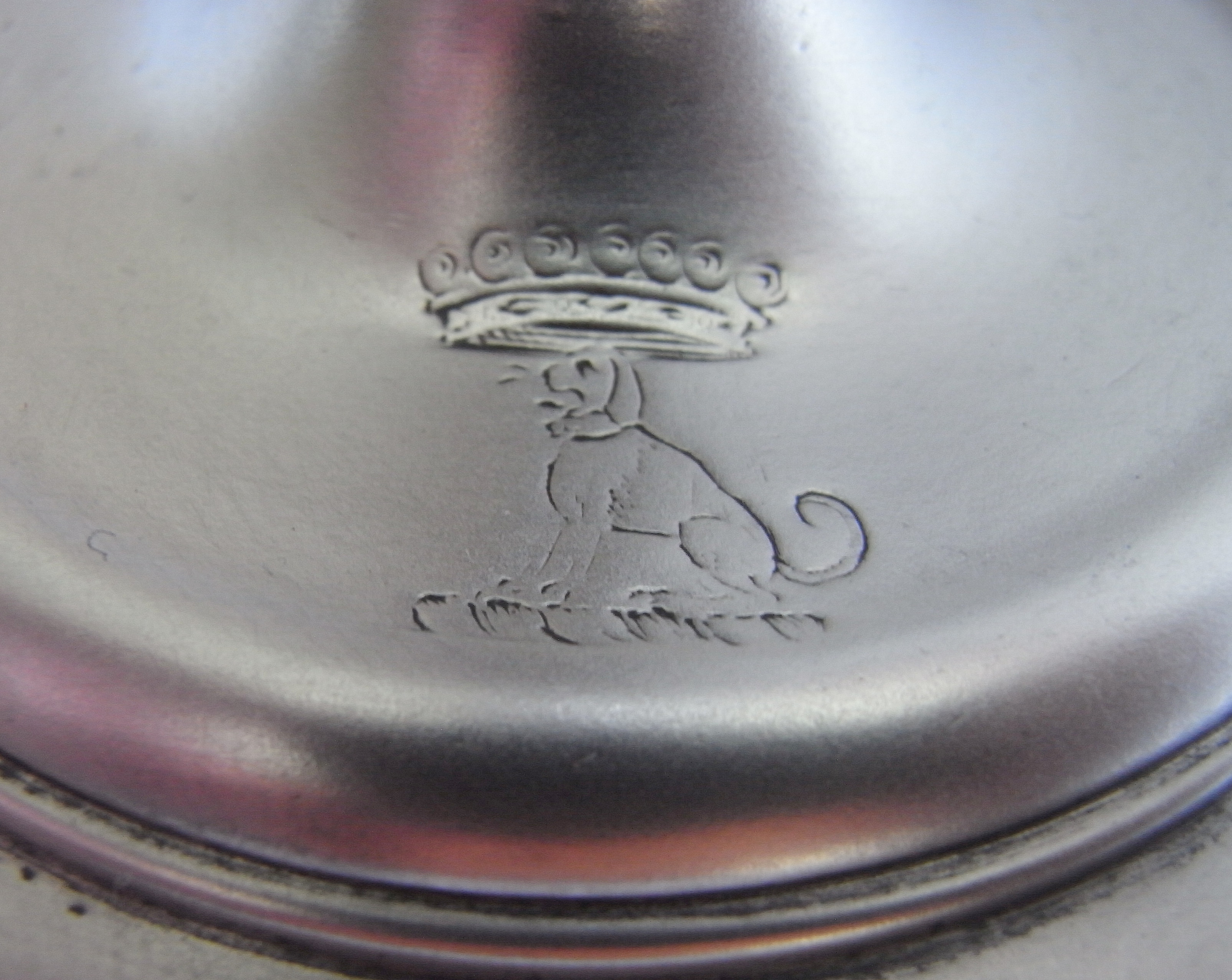
These exceptional candlesticks are cast and stand on a stepped cut cornered base, with circular sunken well. The finely modelled baluster stems display an octagonal, and faceted, section and the candle sockets are also decorated with reeding. The bases are engraved with a contemporary Crest, below the coronet of a Viscount. Each is fully marked on the underside of the base, in addition to being engraved with their original scratch weight. The candlesticks are in excellent condition , have a wonderful colour, and are of a very good weight, as to be expected from this silversmith who was known for his quality of design and production. William Lukin I was apprenticed to St. John Hoyte in 1692. His first mark was entered as a large worker on 31st July, 1699. Although comparatively few pieces appear to have survived bearing his mark, compared to Benjamin Pyne or Anthony Nelme, for instance, it is apparent that by about 1715 Lukin was obtaining orders for expensive pieces in the Huguenot manner The Crest and Coronet are those of Temple, Lords Palmerston. specifically for Henry Temple, 1st Viscount Palmerston (c. 1673 – 10 June 1757), of East Sheen, Surrey and Broadlands, Hampshire. He was created a Viscount in 1723 and was an Anglo-Irish landowner and Whig politician who sat in the British House of Commons from 1727 to 1747. Temple was the eldest son of Sir John Temple, Speaker of the Irish House of Commons, and his wife Jane Yarner, daughter of Sir Abraham Yarner, muster-master general for Ireland. He was educated at Eton College from around 1689 to 1693 and was admitted at King's College, Cambridge in 1693.[1] On 10 June 1703, he married Anne Houblon (1683 - 13 December 1735), the daughter of Abraham Houblon, a governor of the Bank of England.[2] In 1715, Temple acceded to a place as joint chief remembrancer of the court of Exchequer for Ireland, for which he was granted the reversion as a child in 1680. He was created Viscount Palmerston of Palmerston, County Dublin, and Baron Temple of Mount Temple on 12 March 1723.[3] He helped Bishop Berkeley in his schemes in the West Indies. At the 1727 British general election, Temple was returned unopposed as Member of Parliament for East Grinstead. He voted with successive Administrations throughout his career. At the 1734 British general election, he transferred to Bossiney and was returned unopposed as MP. He transferred again at the 1741 British general election to Weobley and was returned as MP again unopposed. In 1740 he became the sole holder of his place as chief remembrancer of the court of the Irish Exchequer and held it for the rest of his life. He did not stand at the 1747 British general election. In 1736, Palmerston bought Broadlands from Humphrey Sydenham and began to rework the gardens there. He began the deformalisation of the gardens between the river and the house and produced the (broad-lands) "gentle descent to the river". On 11 May 1738 at St Antholin, Budge Row, he married again, to Isabella Fryer, widow of Sir John Fryer, 1st Baronet, and daughter of Sir Francis Gerard, 4th Baronet. Palmerston died aged 84 on 10 June 1757. He had two children by his first wife, neither of whom survived him.: He had no children by his second wife Isabella, who died on 11 August 1762 at North End, Hammersmith. He was succeeded by his grandson Henry. His ultimate successor was the 3rd Viscount Palmerston, the famous Victorian Prime Minister. He died in 1865, when the Viscountcy became extinct. Height: 7.45 inches, 18.63 cm. Base Diameter: 4.85 inches, 12.13 cm. Weight: 27.5 oz, the pair.
RELATED ITEMS




, of East Sheen, Surrey and Broadlands, Hampshire. He was created a Viscount in 1723 and was an Anglo-Irish landowner and Whig politician who sat in the British House of Commons from 1727 to 1747. Temple was the eldest son of Sir John Temple, Speaker of the Irish House of Commons, and his wife Jane Yarner, daughter of Sir Abraham Yarner, muster-master general for Ireland. He was educated at Eton College from around 1689 to 1693 and was admitted at King's College, Cambridge in 1693.[1] On 10 June 1703, he married Anne Houblon (1683 - 13 December 1735), the daughter of Abraham Houblon, a governor of the Bank of England.[2]In 1715, Temple acceded to a place as joint chief remembrancer of the court of Exchequer for Ireland, for which he was granted the reversion as a child in 1680. He was created Viscount Palmerston of Palmerston, County Dublin, and Baron Temple of Mount Temple on 12 March 1723.[3] He helped Bishop Berkeley in his schemes in the West Indies.At the 1727 British general election, Temple was returned unopposed as Member of Parliament for East Grinstead. He voted with successive Administrations throughout his career. At the 1734 British general election, he transferred to Bossiney and was returned unopposed as MP. He transferred again at the 1741 British general election to Weobley and was returned as MP again unopposed. In 1740 he became the sole holder of his place as chief remembrancer of the court of the Irish Exchequer and held it for the rest of his life. He did not stand at the 1747 British general election.In 1736, Palmerston bought Broadlands from Humphrey Sydenham and began to rework the gardens there. He began the deformalisation of the gardens between the river and the house and produced the (broad-lands) "gentle descent to the river". On 11 May 1738 at St Antholin, Budge Row, he married again, to Isabella Fryer, widow of Sir John Fryer, 1st Baronet, and daughter of Sir Francis Gerard, 4th Baronet.Palmerston died aged 84 on 10 June 1757. He had two children by his first wife, neither of whom survived him.:Henry Temple, Lord Temple of Mount Temple (died 18 August 1740)Richard Temple (c.1726 – 8 August 1749)He had no children by his second wife Isabella, who died on 11 August 1762 at North End, Hammersmith. He was succeeded by his grandson Henry. His ultimate successor was the 3rd Viscount Palmerston, the famous Victorian Prime Minister. He died in 1865, when the Viscountcy became extinct.Height: 7.45 inches, 18.63 cm.Base Diameter: 4.85 inches, 12.13 cm.Weight: 27.5 oz, the pair.)